XinChuan Livestream Team Produces Documentary Festival Public Culture Program
From January 16 to 17, 2022, XinChuan Studio worked with the National Library of China, Guangzhou Library, and partner institutions to produce the online video program “Documentary Images Illuminate the Future.” The two livestreams were part of the China (Guangzhou) International Documentary Film Festival and were distributed through Guangming Online, the Guangming Daily app, Huya Live, and other platforms, as well as the Weibo accounts of the National Library of China and Guangzhou Library.
The programs reached more than 450,000 cumulative views. Guangming Online recorded 226,000 views, the Guangming Daily app passed 100,000 views, and Huya Live reached peak concurrent popularity of 44,000 on January 16 and 51,000 on January 17, with 193,000 cumulative impressions across the two days.
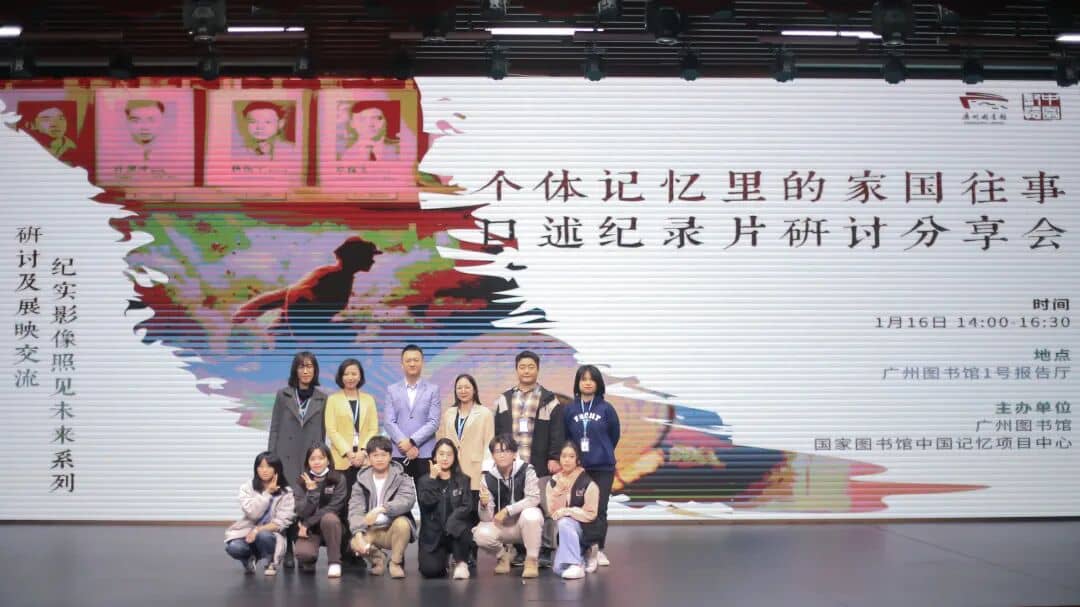
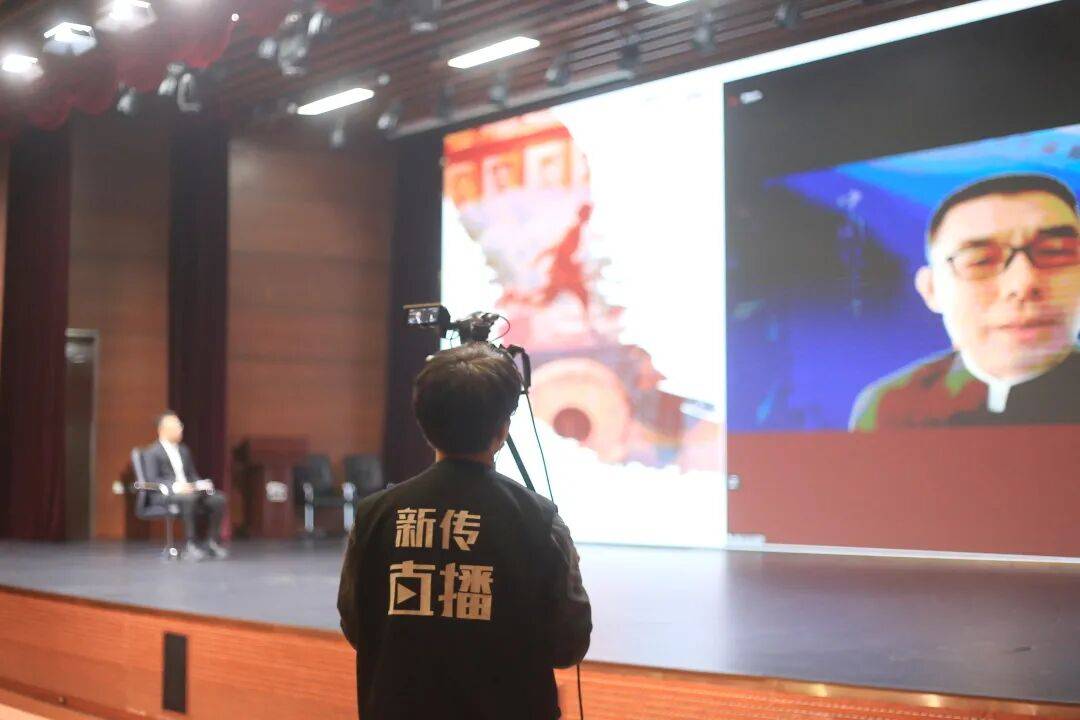
On the afternoon of January 16, the oral-documentary seminar “Family and Nation Memories in Individual Narratives” was hosted by the National Library of China and Guangzhou Library. Because some speakers could not arrive on site during the pandemic, the program used a hybrid sharing format. The livestream team had to relay on-site audio and video in real time so remote guests could see and hear the venue while audiences followed the discussion clearly.
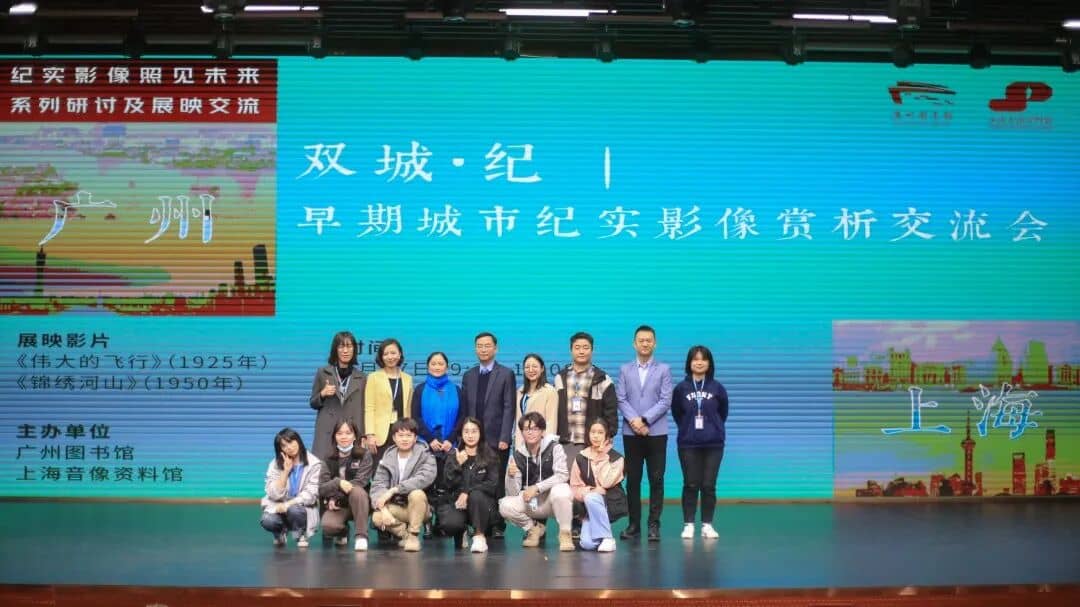
On the morning of January 17, Guangzhou Library and Shanghai Audio-Visual Archives co-hosted the “Twin Cities Chronicle - Early Urban Documentary Images” exchange session. The event connected documentary experts, directors, publishers, and public culture institutions around early urban moving images and the role of documentaries as part of Guangzhou’s cultural identity.
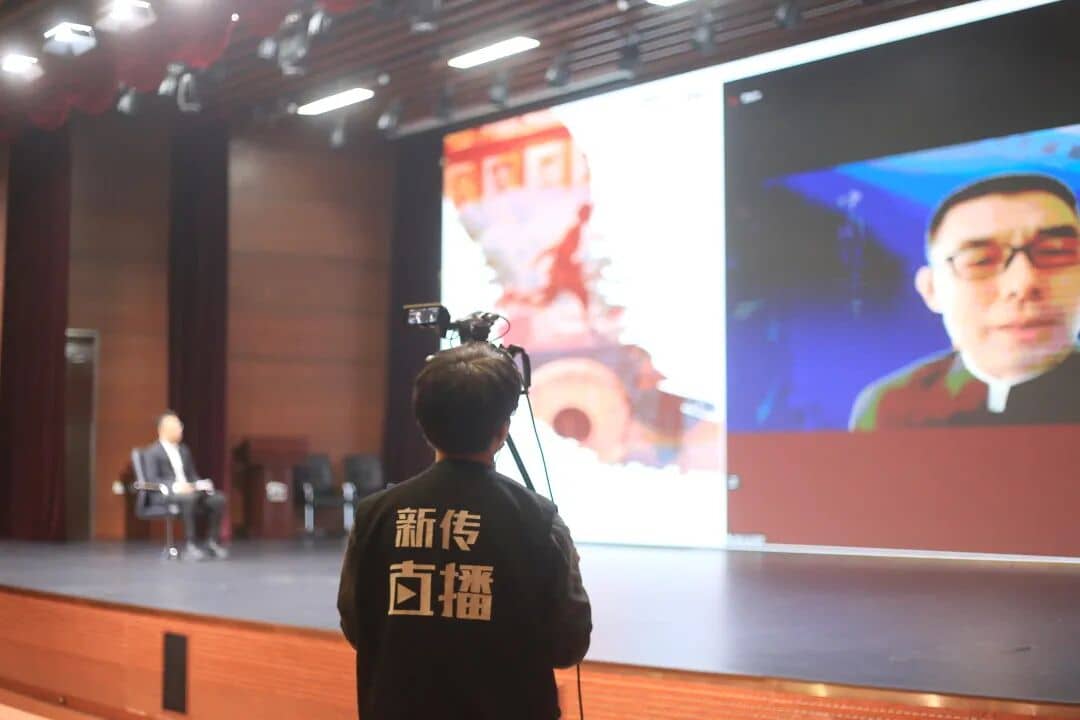
Planning began in early January. The livestream team discussed the event flow, guest connections, platform distribution, venue audio, and picture requirements with the organizers, then tested and rehearsed at Guangzhou Library two days before the official broadcasts. During testing, the team found failed platform pushes and audio-video separation issues, then adjusted the setup before going live.
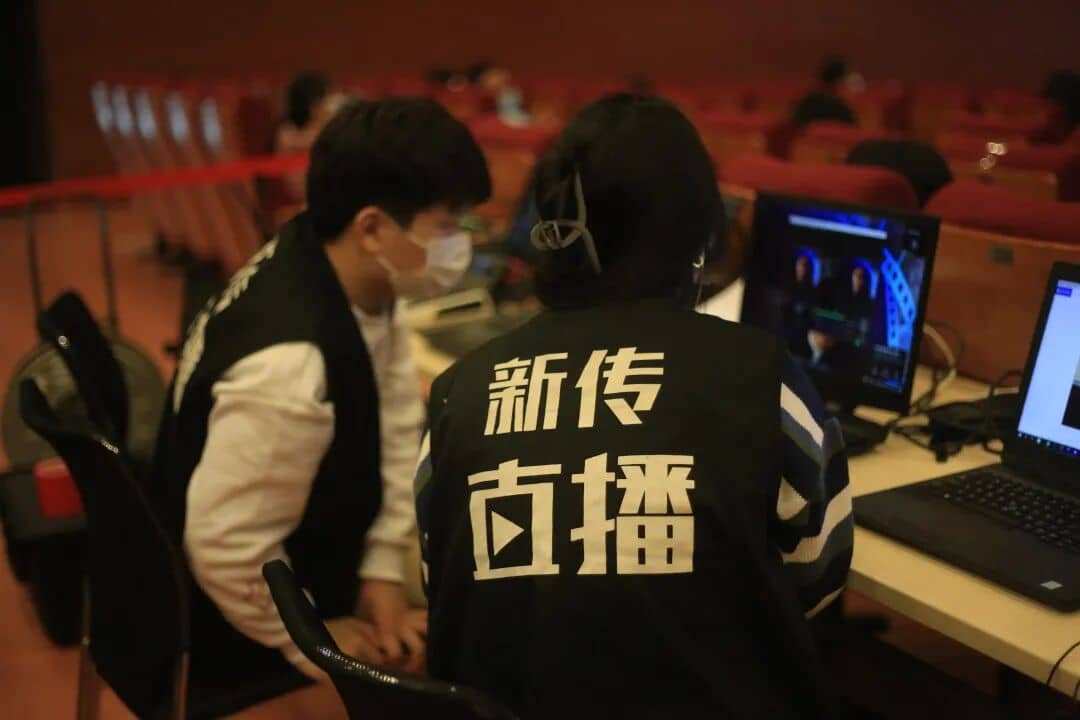
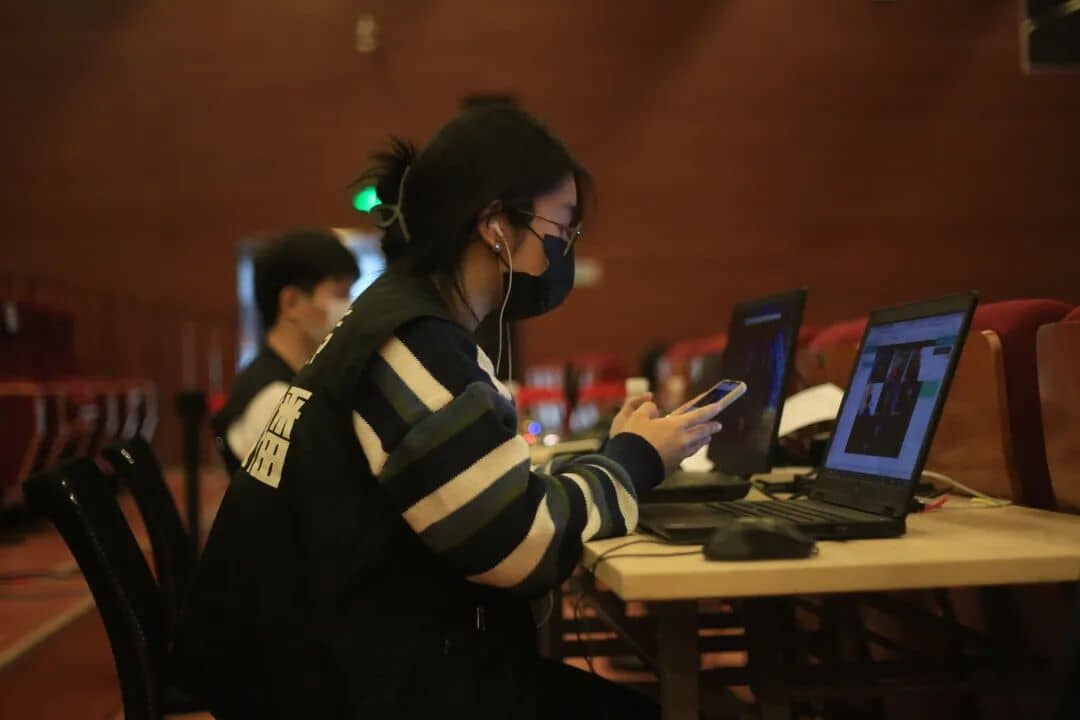
Once the programs went live, on-site and remote guests communicated smoothly, the audio-video output remained stable, and the event flow moved forward as planned. For this kind of public culture livestream, the challenge was not only to capture the venue, but also to connect the room, remote speakers, audience viewing, and multi-platform distribution into one reliable system.
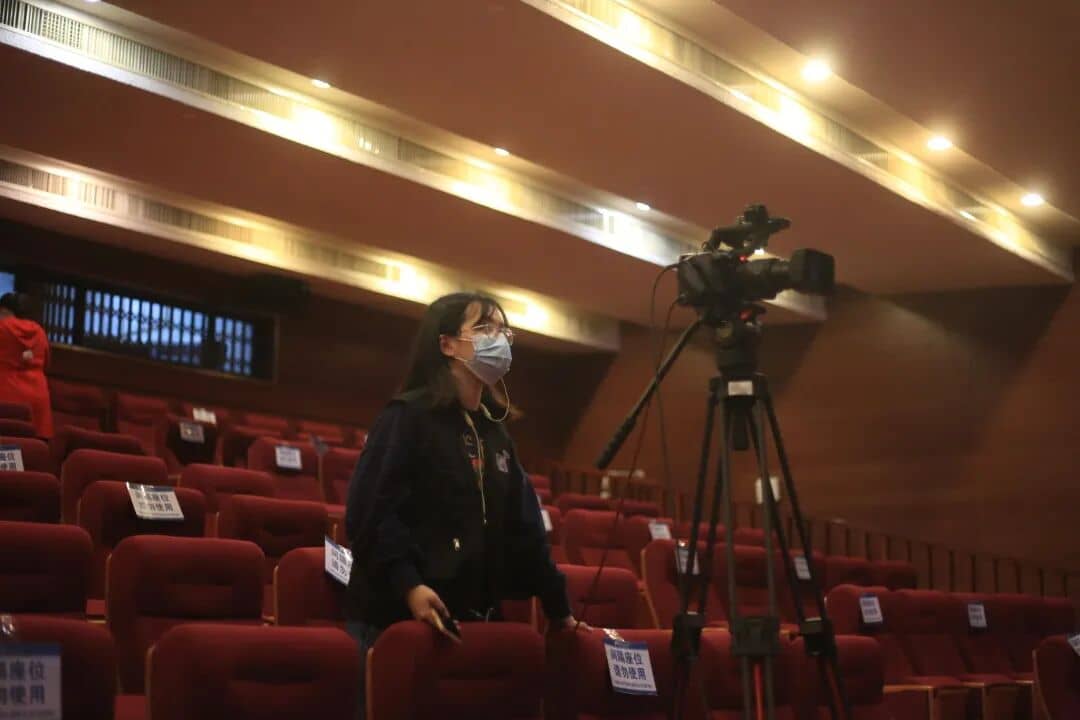
After the project, the China (Guangzhou) International Documentary Film Festival sent a letter of thanks to the team. Li Yu, documentary program curator at Guangzhou Library, noted that the livestream had to support remote guests watching the venue, audience-speaker interaction, and multi-platform delivery at the same time. It was the documentary festival’s first online livestream format, and XinChuan Studio’s technical support was essential to the execution.
The public-service livestream was both a challenge and a practical learning opportunity. It showed how the team can contribute professional media skills to social service while building reusable experience in public culture communication, documentary festival programming, and multi-platform online production.